A toolset for training Optical Music Recognition models, indexing rare manuscripts, and linking digitized chants to public music databases.
Within REPERTORIUM, the Instituto Complutense de Ciencias Musicales (ICCMU), in collaboration with the Complutense University of Madrid, contributes to the technological and musicological integration of historical musical sources.
Its work focuses on training Optical Music Recognition (OMR) systems, indexing rare manuscripts, and developing automatic tools to connect digitized chants and arias with major international databases.
Training Optical Music Recognition (OMR)
Supported the University of Alicante in training OMR systems to read medieval and handwritten classical notation.
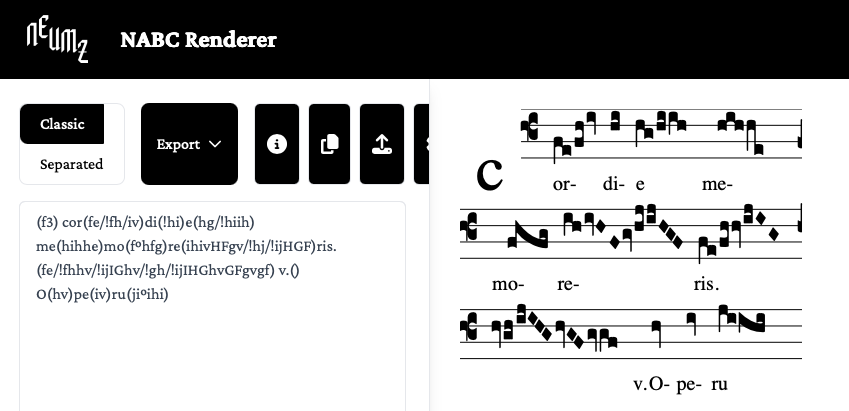
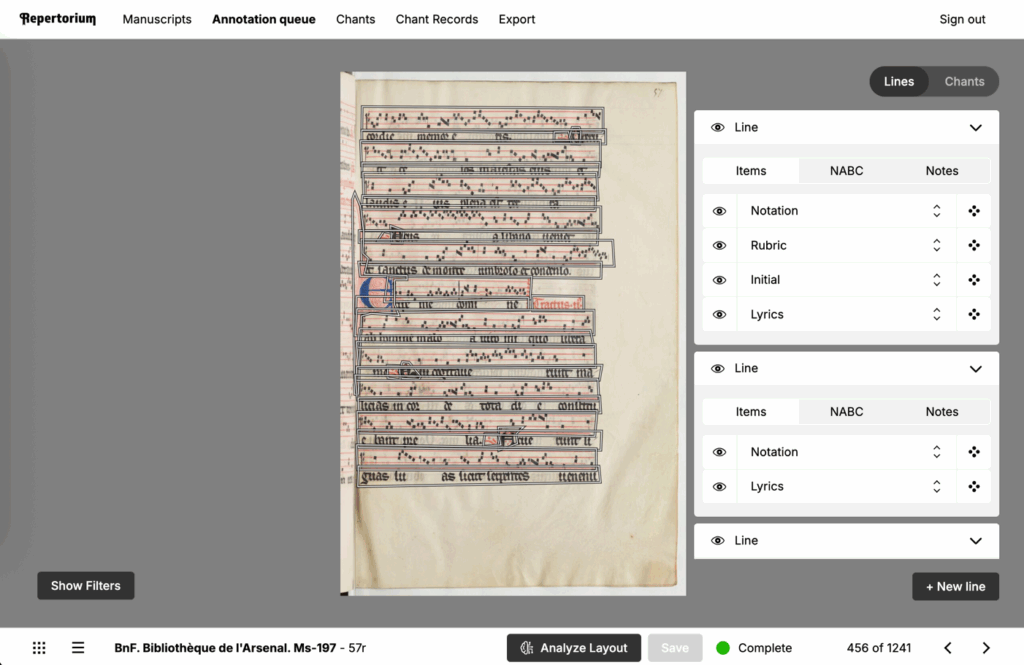
1,005 folios of medieval chants transcribed and tagged in the Repertorium Musicology Workspace using an extended version of the GABC format.
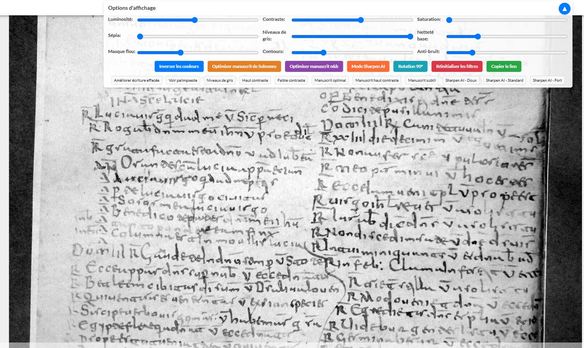
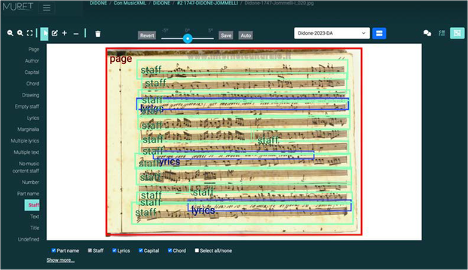
1,306 18th-century arias transcribed and annotated in collaboration with the DIDONE Project through the MURET Workspace.
(Images: Repertorium Workspace, NABC Renderer, MURET Software)
Indexing Rare Manuscripts
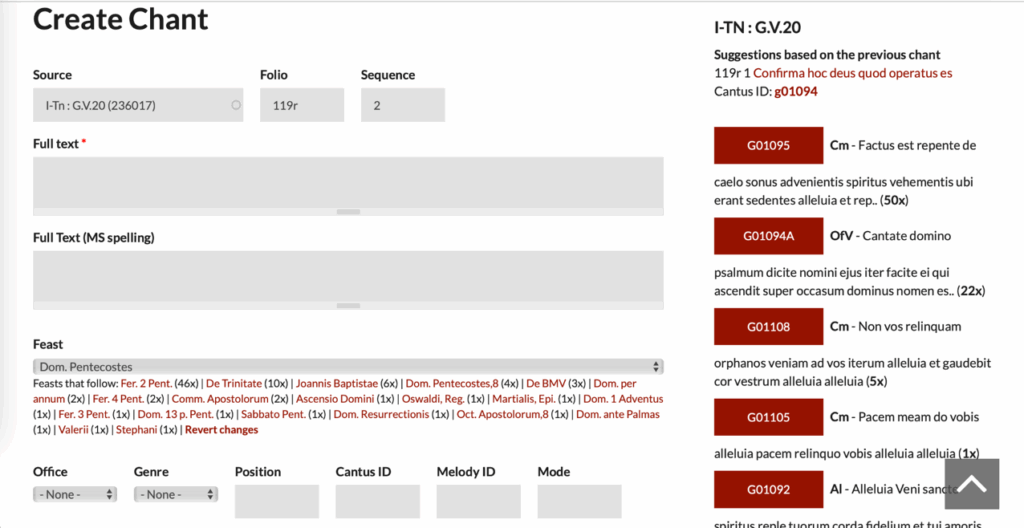
Manually indexed rare manuscripts from the newly digitized Solesmes Archive, adding 126 unique chants to the Cantus Index Database through the MMMO Workspace.
(Image: MMMO Workspace for indexing)
Developing Automatic Indexing Tools
Collaborated with the University of Jaén to design a system that automatically links OMR results to chant texts in the Cantus Index Database, improving musicological data retrieval and interoperability.
Digital Musicology
Enables large-scale analysis and cross-referencing of medieval and baroque repertoires.
Preservation and Accessibility
Supports open access to digitized and indexed manuscripts through public databases.
AI-assisted cataloguing
Contributes to creating intelligent systems for automatic recognition and classification of musical sources.
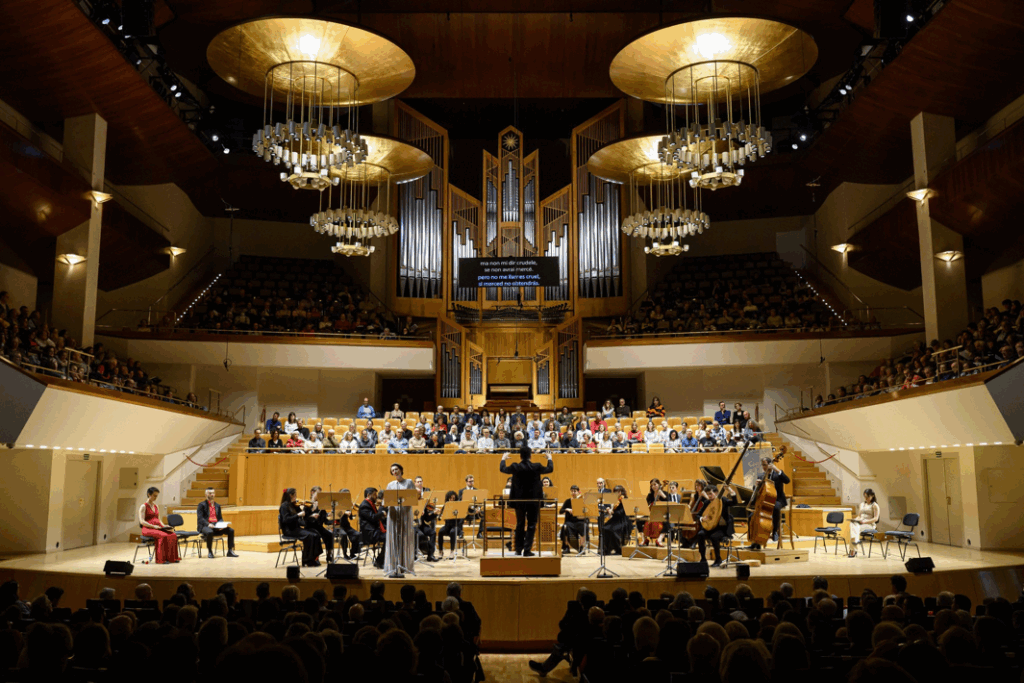
The Nereydas Orchestra performed Didone abbandonata by Baldassare Galuppi, supervised by ICCMU.
Concert — 11 May 2025
Conference — 7 November 2025